Tropical Birds: A World of Colors and Biodiversity

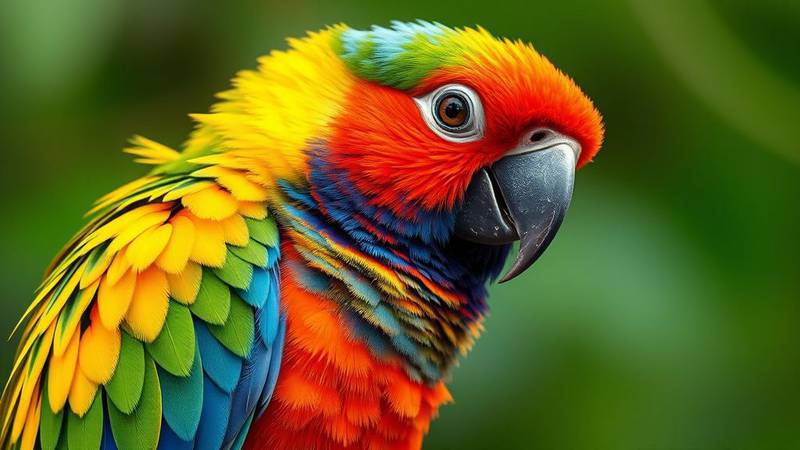
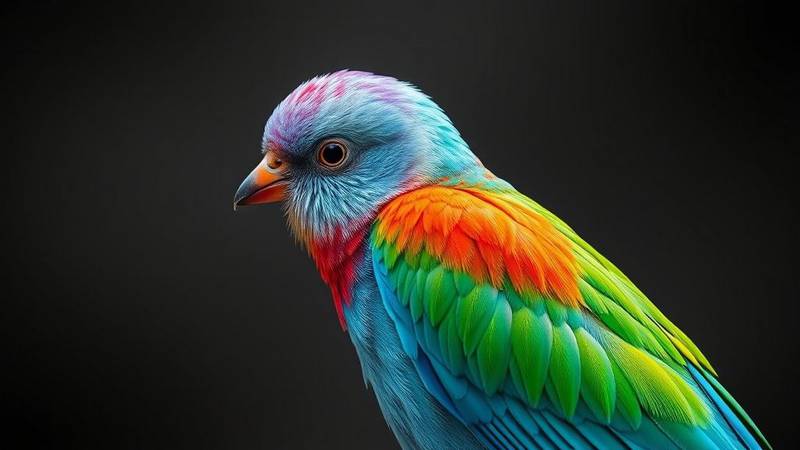
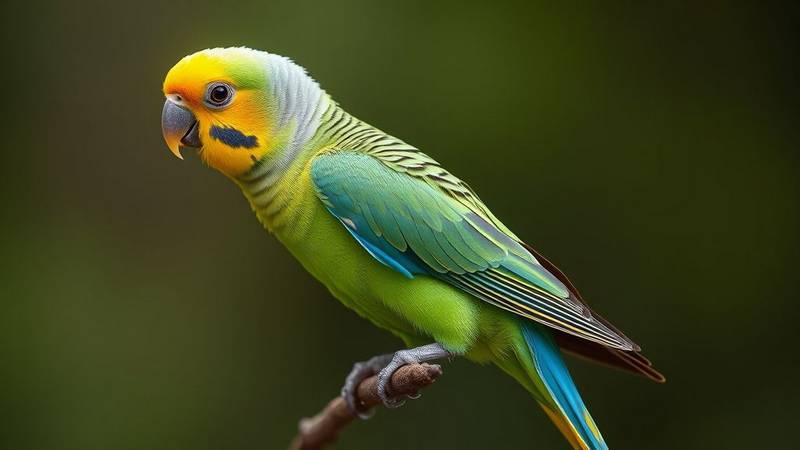
A colorful Macaw Parrot, emblem of tropical birds.
Tropical birds captivate us with their brilliant plumages and unique behaviors.

On This Page:

Explore the Richness of Tropical Avifauna

Dive into the heart of lush jungles and vibrant savannas with our guide to tropical birds! These natural wonders embody the richness and diversity of avian life in the world's warm and humid climates. Their plumages are true palettes of colors, their songs animate the forest, and their adaptations to specific ecosystems are simply fascinating. From the hovering flight of the Hummingbird to the spectacular displays of the Bird-of-Paradise, every tropical bird is an invitation to travel. Get ready to be amazed by these jewels of biodiversity!

A colorful Macaw Parrot.

Macaw Parrot

Rainbow-colored giants of the sky, Macaws are famous for their intelligence and powerful beaks.

🌎 Habitat: Tropical forests of Central and South America
πŸ“ Size: Up to 37 inches (95 cm)
πŸ“œ Status: Varies (several species are endangered)
A Toucan with its large orange beak.

Toucan

Instantly recognizable by its huge, lightweight beak, which serves as a natural air conditioner and a tool for picking fruits.

🌎 Habitat: Forests of South America
πŸ“ Size: Approx. 24 inches (60 cm)
πŸ“œ Status: Least Concern
An intelligent Grey Parrot.

Grey Parrot

Considered one of the most intelligent birds, capable of mimicking human speech with astonishing accuracy.

🌎 Habitat: Tropical forests of Central Africa
πŸ“ Size: Approx. 13 inches (33 cm)
πŸ“œ Status: Endangered
A Cockatoo with its crest.

Cockatoo

Recognizable by its expressive erectile crest, this parrot is known for its affectionate and noisy character.

🌎 Habitat: Australia and neighboring islands (tropical and subtropical zones)
πŸ“ Size: 12 to 24 inches (30-60 cm)
πŸ“œ Status: Varies (from Least Concern to Endangered)
A Hummingbird in hovering flight.

Hummingbird

The smallest bird in the world, capable of flapping its wings up to 80 times per second for a perfect hover.

🌎 Habitat: The Americas (a high concentration in tropical zones)
πŸ“ Size: 2-4 inches (5-10 cm)
πŸ“œ Status: Least Concern
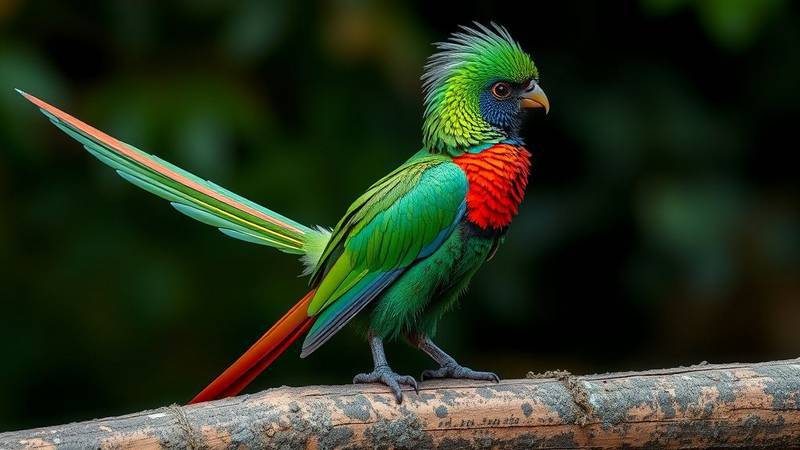
A male Resplendent Quetzal with its long tail.

Resplendent Quetzal

A mythical bird of Central America, the male boasts a brilliant iridescent green plumage, a vibrant red chest, and magnificent tail feathers that can reach up to a meter in length.

🌎 Habitat: Cloud forests of Central America (Mexico to Panama)
πŸ“ Size: 14-16 inches (36-40 cm) body, up to 39 inches (100 cm) male tail feathers
πŸ“œ Status: Near Threatened
A Bird-of-Paradise with its extravagant plumage.

Bird-of-Paradise

Mainly native to New Guinea, these birds are famous for the extravagant plumages and spectacular courtship displays of the males.

🌎 Habitat: Tropical forests of New Guinea and surrounding regions
πŸ“ Size: Varies, from 6 inches (15 cm) to over 39 inches (100 cm) depending on species
πŸ“œ Status: Varies by species (several threatened)
A pair of Lovebirds.

Lovebird

These small parrots get their name from the strong bonds they form as pairs, spending their lives side-by-side.

🌎 Habitat: Sub-Saharan Africa and Madagascar (tropical and subtropical zones)
πŸ“ Size: 5-7 inches (13-17 cm)
πŸ“œ Status: Least Concern
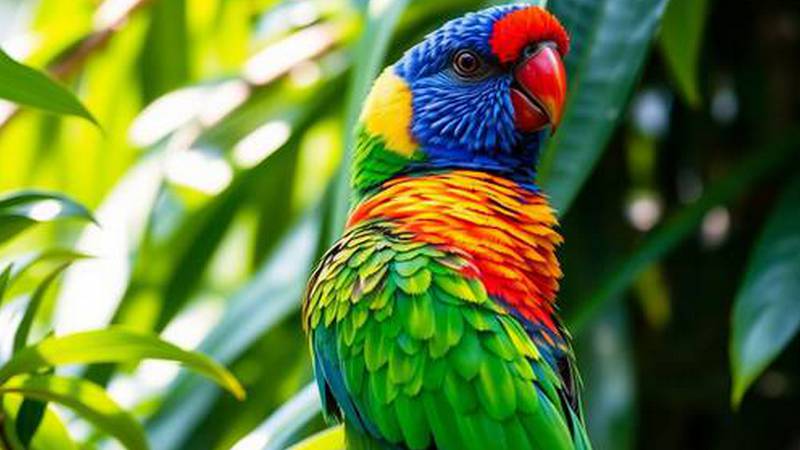
A Rainbow Lorikeet.

Lory / Lorikeet

Vibrant parrots of tropical Oceania, Lories are known for their nectar and pollen-based diet.

🌎 Habitat: Australia, Indonesia, Papua New Guinea
πŸ“ Size: Approx. 10-12 inches (25-30 cm)
πŸ“œ Status: Least Concern
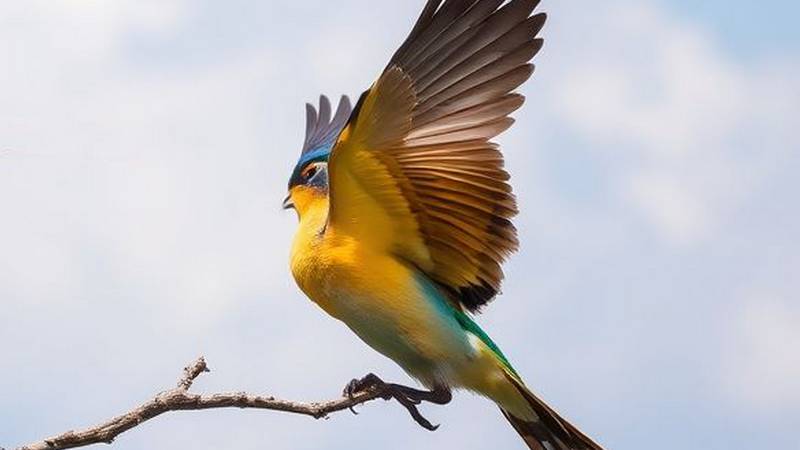
A vibrant Gouldian Finch.

Gouldian Finch

A small bird with spectacular colors native to the tropical savannas of northern Australia.

🌎 Habitat: Tropical savannas of Northern Australia
πŸ“ Size: Approx. 5-6 inches (13-15 cm)
πŸ“œ Status: Near Threatened
A colorful Fischer's Lovebird.

Fischer's Lovebird

A small African parrot prized for its vivid colors and playful temperament, native to Tanzania.

🌎 Habitat: Small tropical forest areas in Tanzania
πŸ“ Size: Approx. 5.5 inches (14 cm)
πŸ“œ Status: Least Concern

What is a Tropical Bird?

Tropical birds are avian species that inhabit the tropical regions of our planet, an area located between the Tropic of Cancer and the Tropic of Capricorn. These zones are characterized by a warm and generally humid climate throughout the year, without the marked seasonal changes of temperate zones. Tropical ecosystems, such as rainforests, mangroves, savannas, and coral reefs, are home to extraordinary biodiversity, and birds play an essential role within them. Their distinctive characteristics often include:

  • Exuberant Plumage: Bright colors and complex patterns are very common, aiding in camouflage within dense vegetation or serving as visual signals for communication and reproduction.
  • Specific Vocalizations: Many species have developed complex songs and calls to navigate dense environments and for communication through foliage.
  • Rich Habitats: They live in some of the most diverse ecosystems on Earth, each adapting to precise ecological niches, from the canopy to the undergrowth.
  • Varied Diets: Their diet is highly diverse, including a wide variety of fruits, seeds, nectar, insects, and even small vertebrates, reflecting the richness of their environment.

These birds are essential pollinators and seed dispersers, actively contributing to the health and regeneration of their ecosystems.

Distinctive Characteristics of Tropical Birds

Tropical birds are distinguished by remarkable adaptations that allow them to thrive in demanding but resource-rich environments:

  • Climate Adaptations: Many tropical birds have features to manage heat and humidity, such as the ability to regulate their temperature via their beak (like the Toucan) or less dense plumage.
  • Dietary Specialization: Their beaks are often highly specialized to exploit specific food sources: long and thin for nectar (Hummingbirds), powerful for nuts (Macaws), or large for fruits (Toucans).
  • Complex Breeding Behaviors: With less distinct breeding seasons than in temperate zones, they may have more flexible reproductive strategies or very elaborate courtship displays, like those of Birds-of-Paradise, to attract mates.
  • Intense Social Life: Several species live in large flocks, which can offer protection against predators and facilitate foraging in a competitive environment.

🌴Our Ornithologist's Advice on Tropical Birds

Observing tropical birds in their natural habitat is an unforgettable experience, but it requires patience and discretion. Rainforests are dense environments where birds can be difficult to spot despite their vibrant colors. To maximize your chances, focus on the early morning hours or late afternoon, when birds are most active.

The crucial tip: listen carefully. Vocalizations are often the first indication of their presence. Familiarize yourself with the calls and songs of local species before your visit. Look for fruiting trees in season or flowering plants to find birds feeding. Use good quality binoculars to observe the details of their plumage and unique behaviors without disturbing them. And most importantly, remember that discretion and respect for their environment are essential for ethical and successful observation.

Frequently Asked Questions About Tropical Birds

What characterizes a "tropical bird"?

A tropical bird is a species that naturally lives in the tropical regions of the world, characterized by a hot and humid climate throughout the year. These birds are often very colorful, adapted to rich ecosystems like rainforests, savannas, or mangroves, and play crucial roles in the biodiversity of these environments.

What is the main difference between a tropical bird and an exotic bird?

The main difference lies in geographical origin and climate. A tropical bird is specifically native to tropical (hot and humid) regions. An exotic bird is a broader term for any species non-native to a given region; thus, a tropical bird is exotic outside its native region, but an exotic bird can come from temperate or arid climates and is not necessarily tropical.

How do tropical birds adapt to their environment?

Tropical birds have developed many adaptations. Their vibrant plumage aids in camouflage within lush vegetation and in courtship displays. Their diets are diverse (fruits, nectar, insects), often supported by specialized beaks. They also have breeding strategies adapted to the consistent climate and may exhibit complex social behaviors for group defense or foraging.

What are the major dangers threatening tropical birds?

The primary threat is the destruction and fragmentation of their habitats, mainly due to deforestation for agriculture, logging, and urbanization. Climate change also alters their ecosystems. The illegal trade in species, although regulated, remains a significant pressure for certain highly sought-after species.